Taking a major decision on Friday, the G7 countries have agreed to release 100 million barrels of diesel and crude oil from their emergency reserves. These countries said that we are planning to release 100 million barrels of oil and fuel products in the coming weeks. This will be started by releasing a large amount of diesel, because recently fuel prices in America had reached a record high.
President Donald Trump said that the work of releasing diesel will start immediately. He reiterated the G7’s promise that work on releasing large quantities of diesel would begin immediately within the next 20 days and the remaining diesel would be released in four months.
Pressure to deal with rising prices
Trump and his Republican Party are under pressure to tackle rising prices ahead of the midterm elections on November 3. Trump announced the move on social media on Friday. According to a survey by AP-NORC, the President’s approval rating on the economy has reached a new low, as the prices of oil and other goods in the US have increased due to the Iran war and their trade disputes.
Gas prices have increased significantly in the US and abroad during the eight-month long war. Trump has repeatedly said it is a price worth paying to ensure Iran cannot obtain nuclear weapons. According to AAA, on Friday the national average price of a gallon of diesel in the US was US $ 6.37, while on September 22 it had reached a record of US $ 6.52. Diesel prices have also reached record levels in Europe.
Michael Lynch, a distinguished fellow at the Energy Policy Research Foundation (a nonpartisan research institute focused on energy and economics), said that releasing diesel in Europe could mean less diesel exports from the US, which could reduce prices by 25-50 cents per gallon after a few weeks.
This decision should reduce prices: Macron
France currently holds the rotating presidency of the G7 group. This announcement was made in a statement issued after the video conference chaired by Macron. The G7 countries include Canada, France, Germany, Italy, Japan, the UK and the US, as well as representation from the EU.
This statement comes after the announcement made in March in which the member countries of the International Energy Agency had talked about releasing 426 million barrels of oil and its products to stabilize the oil market. EU countries had promised to deliver about 92 million barrels, consisting mainly of refined products (such as diesel) made from crude oil. Macron said, this joint decision and unity should bring down prices. The quantity we are releasing will also increase liquidity in the market and bring down prices.
Decision to ban exports
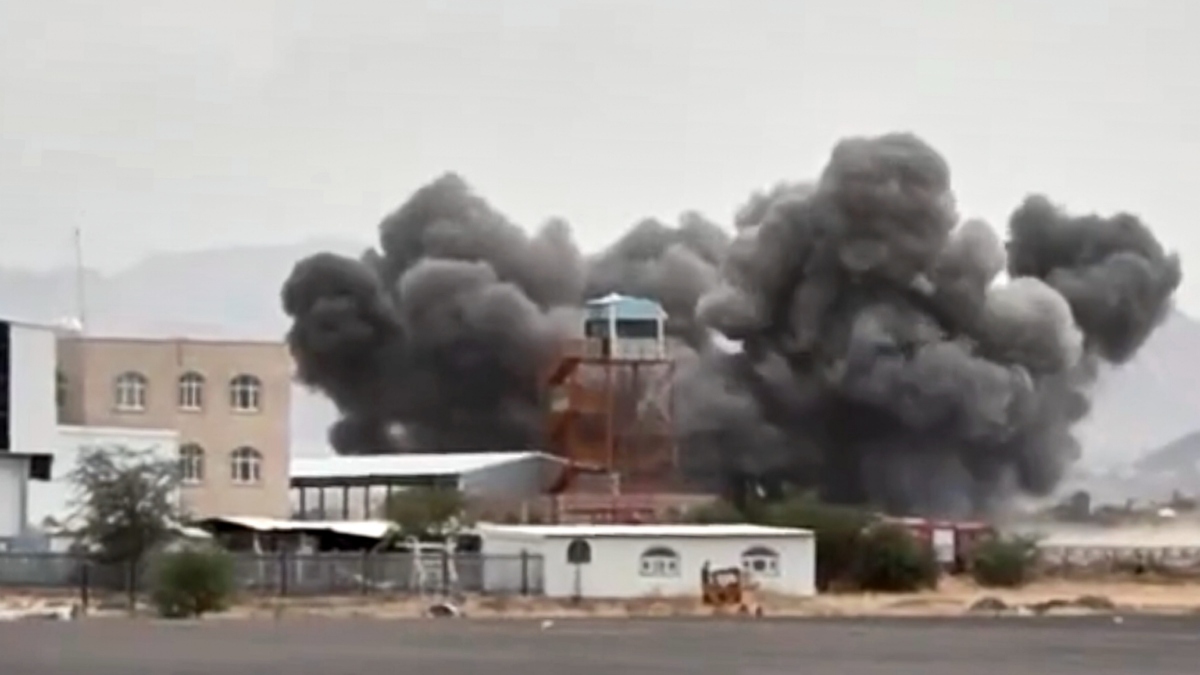
Apart from the rise in prices of crude oil (from which diesel is made), Russia’s decision to ban exports due to Ukraine’s drone attacks on its refineries is also a reason. Europe does not import diesel from Russia, but other countries that buy diesel from Russia (such as Turkey and Latin American countries) will now have to compete with Europe for available barrels.
Meanwhile, shipments of refined products from the producing countries of the Persian Gulf have declined due to war damage and closure of export routes. After this statement, oil prices in the US fell by 2 percent, but Pavel Molchanov, investment strategy analyst at Raymond James, said that its impact was reduced due to lack of clarity on an important question. He asked whether this amount of 100 million barrels is in addition to the amount decided in March, or is it the last part of the existing promise?
No idea to ban exports: G7
Some Republican leaders in America had demanded that Trump ban the export of diesel from America to reduce domestic prices. But the G7 statement said that the group has agreed not to limit energy exports to each other. Oil market experts say that America’s ban on exports may reduce prices for some time, but later it may have adverse consequences because the supply of gasoline may reduce. This is because diesel production cannot be reduced without reducing the total production of the refinery.
We are not going to ban exports: Trump
When asked on Friday about a possible ban on exports by the US, Trump said, we were never going to do that. Trump told reporters at the White House, we are not going to ban exports. We will do what we should do. He further said that Europe is making a big contribution to the world, and we are also doing the same. Experts say that there are risks in this strategy.
Jim Crane, an energy research fellow at Rice University’s Baker Institute, said releasing stock in an emergency could be a short-term solution, but it could also cause harm in the long run. Crane said emptying stocks would reduce retail fuel prices for a short period of time, but the cost would come in the form of reduced emergency cover for Europe.
Strategic reserves must be replenished
At some point in the future, Europe and the rest of the G7 countries will have to replenish their strategic reserves. Generally they try to do this when prices are low. No one knows when this will happen. This is a risk. Crane said that with two wars going on, in which refineries and exports are being attacked, this is not the best time to waste your emergency stock. Especially when there is no clarity about future prices or peace agreements.