US President Halts Potential Military Action Amid Regional Mediation Efforts
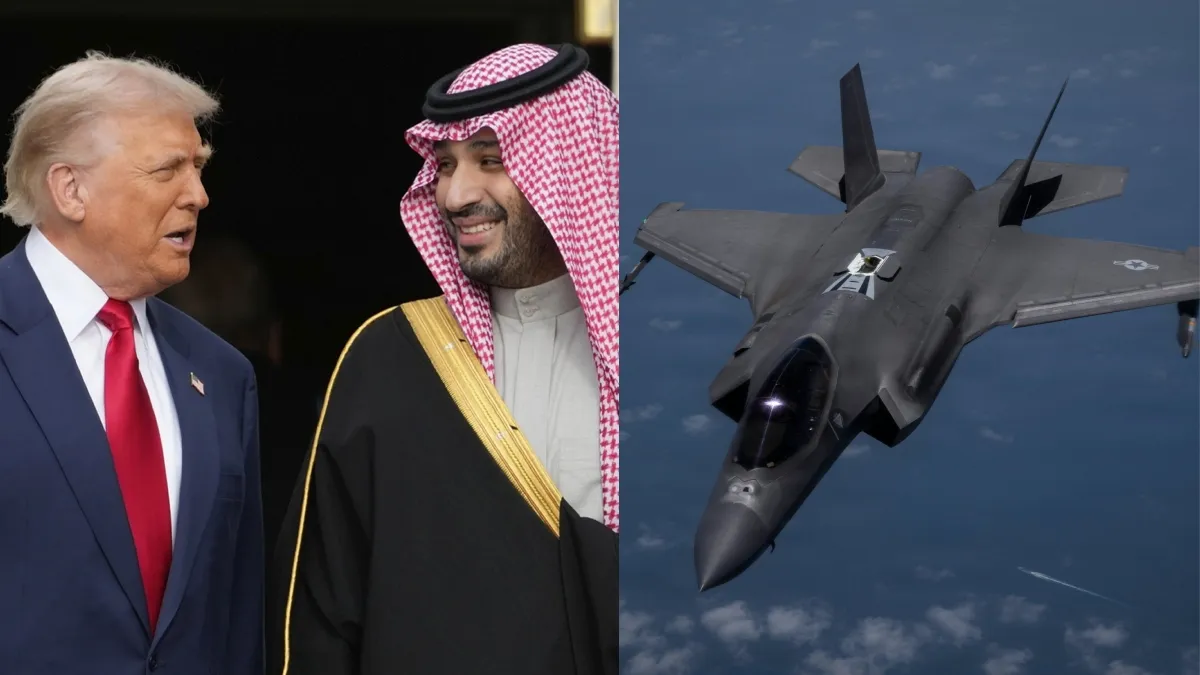
U.S. President Donald Trump has announced that a possible American military strike on Iran has been put on hold for now, easing immediate fears of a broader conflict in the Middle East. The decision reportedly followed diplomatic conversations with key Gulf leaders, including Saudi Crown Prince Mohammed bin Salman, as efforts to reduce regional tensions continue.
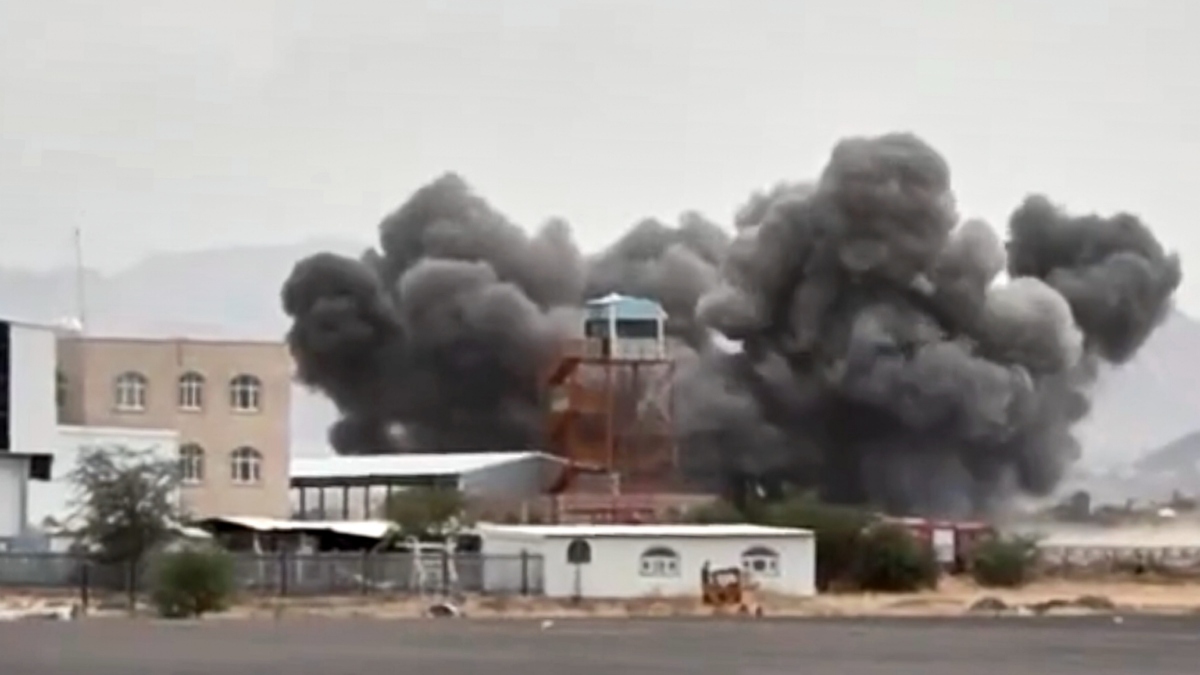
The development comes after weeks of heightened tensions, during which the United States and Saudi Arabia jointly conducted military operations against Iran-backed groups in Iraq. Those actions had fueled speculation that Washington could launch a larger strike directly targeting Iran.
Reports Suggest Diplomatic Efforts Influenced the Decision
According to reports, Gulf leaders urged the United States to give diplomacy another chance, warning that a wider military conflict could destabilize the region and threaten critical energy infrastructure. Trump later said he was willing to delay military action while negotiations continue but warned that the pause could end if diplomatic efforts fail.
Iran Warns of Strong Response
Iran has repeatedly stated that it would respond decisively to any direct military attack.
According to media reports, Tehran has prepared contingency plans that could target strategic oil facilities in Gulf countries if conflict escalates. While these reports have not been independently verified, analysts say any disruption to Gulf energy infrastructure could have significant consequences for global oil markets.
Iranian Foreign Minister Abbas Araghchi also warned senior officials from Turkey, Pakistan, and Saudi Arabia that Iran would respond forcefully if attacked by the United States.
Strait of Hormuz Remains a Global Concern
The Strait of Hormuz continues to be one of the world’s most strategically important shipping routes, carrying a significant share of global crude oil exports.
Any disruption in the waterway could sharply increase oil prices, affect global energy supplies, and place additional pressure on the world economy. Recent reports indicate that discussions involving Oman have also focused on maintaining safe navigation through the strait.
Conflicting Claims Over Negotiations
While President Trump has indicated that diplomacy is progressing and cited negotiations as the reason for pausing military action, Iranian officials have denied that direct talks with the United States are currently taking place. This difference in public messaging highlights the uncertainty surrounding the situation and suggests that tensions remain unresolved.
What Happens Next?
Although the immediate threat of a U.S. strike appears to have eased, the situation remains highly fluid. Future developments will likely depend on diplomatic negotiations, regional security conditions, and the ability of all sides to avoid further escalation.
For now, global markets and governments continue to monitor events closely, particularly because any renewed conflict in the Gulf region could have far-reaching consequences for energy prices, international trade, and geopolitical stability.